admin

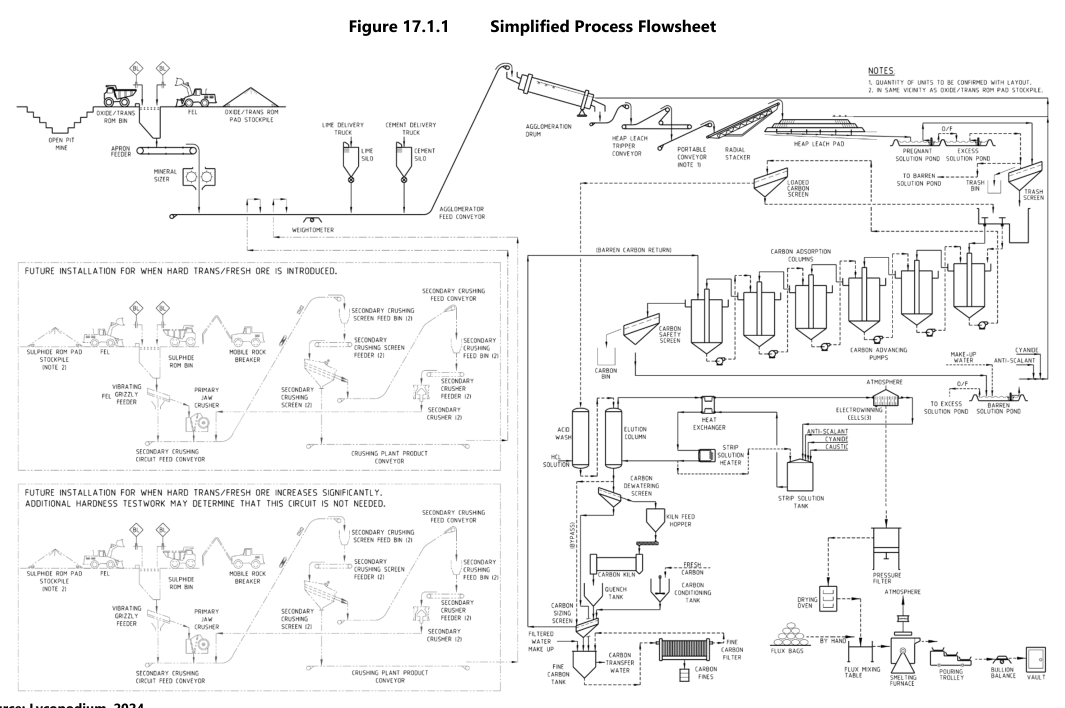
Figure 17.1.1 Simplified Process Flowsheet

Enchi Gold Project — PEA

This Preliminary Economic Assessment (PEA) outlines a conceptual design for the Enchi Gold Project, focusing on the Boin, Nyamebekyere, and Sewum deposits. The project is designed to process oxide or saprolite mineralization using a conventional heap leaching facility. The process route includes primary and secondary crushing, agglomeration with cement and lime, and heap leaching with sodium cyanide solution.

Enchi Gold Project — PEA Read Post »

Figure 1.6 Simplified process flow diagram

Technical Report, Skouries Project, Greece

This technical report details the Skouries Project in Greece, operated by Eldorado Gold Corporation (via Hellas Gold). The project involves both open pit and underground mining methods with a nominal throughput of 8.0 Mtpa. The ore is processed via SABC grinding and flotation to produce a copper-gold concentrate. Tailings are managed via paste backfill underground and filtered tailings on surface. The project is currently in development with construction ongoing since 2012.

Technical Report, Skouries Project, Greece Read Post »

Corcoesto Gold Deposit Technical Report

This technical report details the processing plant design for the Corcoesto Gold Deposit located in Galicia, Spain. The facility is designed for a throughput of 6,000 tonnes per day, based on a Preliminary Economic Assessment (PEA) conducted by Ore Reserves Engineering in November 2011. The current design is at the feasibility study level, utilizing the flowsheet described in the PEA for capital and operating cost assumptions.

Corcoesto Gold Deposit Technical Report Read Post »

Process diagram from technical-report PDF page 286

Karowe Diamond Mine — 2025 Feasibility Study

This section of the 2023 Feasibility Study details the process description and recovery methods for the Karowe Diamond Mine (KDM). The report outlines the historical progression of the plant through three phases, starting with Phase I Greenfields commissioning in 2012, followed by Phase II and Phase III brownfields expansions completed in 2015 and 2017 respectively. The current plant design focuses on treating Magmatic Pyroclastic Kimberlite (M/PK(S)) and Eastern Magmatic Pyroclastic Kimberlite (EM/PK(S)) ore types, with a design throughput of 350 to 500 tonnes per hour.

Karowe Diamond Mine — 2025 Feasibility Study Read Post »

Joanna Gold Property — 2013 Technical Report

This Pre-Feasibility Study outlines the processing strategy for the Joanna Gold Property, focusing on the Hosco sector ore. The study evaluates various flowsheet options, ultimately selecting the Albion Process for sulphide oxidation followed by Carbon-in-Leach (CIP) at the Casa Berardi facility. The onsite Joanna plant is designed for grinding and flotation, producing a concentrate that is transported offsite for further treatment.

Joanna Gold Property — 2013 Technical Report Read Post »

Figure 72: Zandfontein Process Flow Diagram

Crocodile River Mine — 2022 Technical Report

The Zandfontein beneficiation plant at the Crocodile River Mine is designed to process both underground ore and Tailings Storage Facility (TSF) remining material. The facility focuses on the recovery of Platinum Group Metals (PGM) and Chrome from UG2 chromite tailings. The processing circuit includes crushing, milling, and flotation stages, with specific modifications to accommodate Circuit B and Circuit D for treating WHIMS chrome plant tailings. Operational data from late 2020 to early 2022 indicates the plant is currently operating with some recommissioning challenges affecting recovery rates.

Crocodile River Mine — 2022 Technical Report Read Post »

Shafter Project — 2018 Technical Report

The 2018 Preliminary Economic Assessment for the Shafter Project in Presidio County, Texas, outlines a proposed silver mining operation by Aurcana Corporation. The facility is designed to process 600 tons per day of mineralized material with a mine life of 3.6 years. The project focuses on the extraction of silver through a whole-ore cyanide leaching circuit followed by Merrill Crowe precipitation. The study indicates a recovered silver production of approximately 1,837,300 ounces per year.

Shafter Project — 2018 Technical Report Read Post »

Clearwater Project — 2024 NI 43-101 Technical Report

The Clearwater Project is a Pre-Feasibility Study for a lithium hydroxide monohydrate production facility located in the Bashaw District of Central Alberta, Canada. The project utilizes Direct Lithium Extraction (DLE) technology to process Leduc Formation brines, targeting a production rate of 32,250 tonnes per annum with a planned mine life of 50 years. The process involves extracting lithium-enriched brine through producer wells, treating it to remove acid gases, and recovering lithium via an aluminate-based sorbent system.

Clearwater Project — 2024 NI 43-101 Technical Report Read Post »

Haib 2025 PEA Pairs a 28 Mtpa HPGR-Ball Concentrator With HydroFloat Coarse Gangue Rejection and a 7 Mtpa Bacterial Heap Leach

This Preliminary Economic Assessment (PEA) Update for the Haib deposit in Namibia evaluates the feasibility of a whole ore heap leaching operation for copper recovery. The project targets a low-grade, acid-insoluble sulfide orebody (0.31% Cu) where conventional crushing, grinding, and flotation were deemed economically unfeasible due to ore hardness and energy requirements. Heap leaching, specifically bacterial-assisted leaching, was selected to improve project viability by reducing costs associated with grinding.

Haib 2025 PEA Pairs a 28 Mtpa HPGR-Ball Concentrator With HydroFloat Coarse Gangue Rejection and a 7 Mtpa Bacterial Heap Leach Read Post »

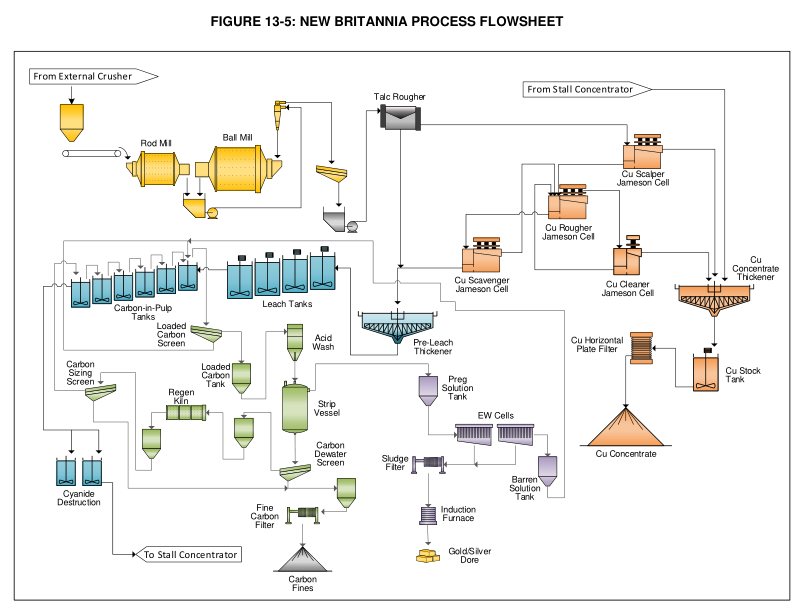
FIGURE 13-5: NEW BRITANNIA PROCESS FLOWSHEET

Snow Lake Project — Recovery Methods (Section 17)

The report details the proposed recovery methods for the Snow Lake Project, focusing on the reprocessing of a Gold Residue Stockpile (GRS). The development includes three main components: the GRS, a Process Facility, and a Storage Impoundment Area. The process involves excavating residue, repulping, polishing regrinding to 75µm, and bacterial oxidation (bioleaching) in six reactors. The oxidized residue is filtered and shipped off-site, while the liquor is neutralized with limestone to precipitate ferric arsenate for disposal.

Snow Lake Project — Recovery Methods (Section 17) Read Post »

Scroll to Top